What Is Heavy Equipment, Types and Roles in Construction?
 In modern construction and infrastructure development, heavy equipment plays a critical role in accelerating project timelines and improving operational efficiency. Tasks such as excavation, land clearing, material transportation, compaction, and road paving would require significantly more time and manpower without the support of heavy machinery.
Selecting the right heavy equipment does not only affect project speed. It directly influences cost control, workplace safety, and the overall quality of the final structure. For this reason, contractors and project managers must carefully match equipment specifications with project requirements, site conditions, and workload demands.
Construction Mechanization as a Determinant of Modern Project Competitiveness
At both global and national levels, the construction sector serves as a primary driver of economic growth. According to oxfordeconomics.com, the global construction industry is projected to exceed USD 15 trillion in value within this decade, driven by extensive infrastructure development and rapid urbanization.
Meanwhile, a report by the World Bank states that efficient infrastructure investment directly contributes to increased productivity and national competitiveness.
Within the operational context of projects, various industry analyses indicate that mechanization through the use of heavy equipment can significantly enhance work output compared to conventional methods.
This affirms that heavy equipment functions not merely as operational support, but as a key factor in ensuring timely project completion, cost efficiency, and overall construction quality.
What Exactly Is Heavy Equipment and Why Is It So Essential?
1. Definition of Heavy Equipment
Heavy equipment refers to large, high-capacity machines designed to support construction, mining, and infrastructure projects. These machines are built to handle demanding tasks such as excavation, lifting, transporting, leveling, and compacting materials in challenging environments.
In construction and mining operations, heavy equipment serves as the backbone of field activities due to its durability, productivity, and ability to operate under extreme working conditions.
2. Primary Functions of Heavy Equipment
In general, heavy equipment is used for:
● Excavating and demolition work
● Material handling and transportation
● Land leveling and grading
● Soil and asphalt compaction
● Lifting and distributing heavy loads
Modern heavy equipment is often equipped with advanced hydraulic systems and precision controls to enhance productivity while maintaining operator safety.
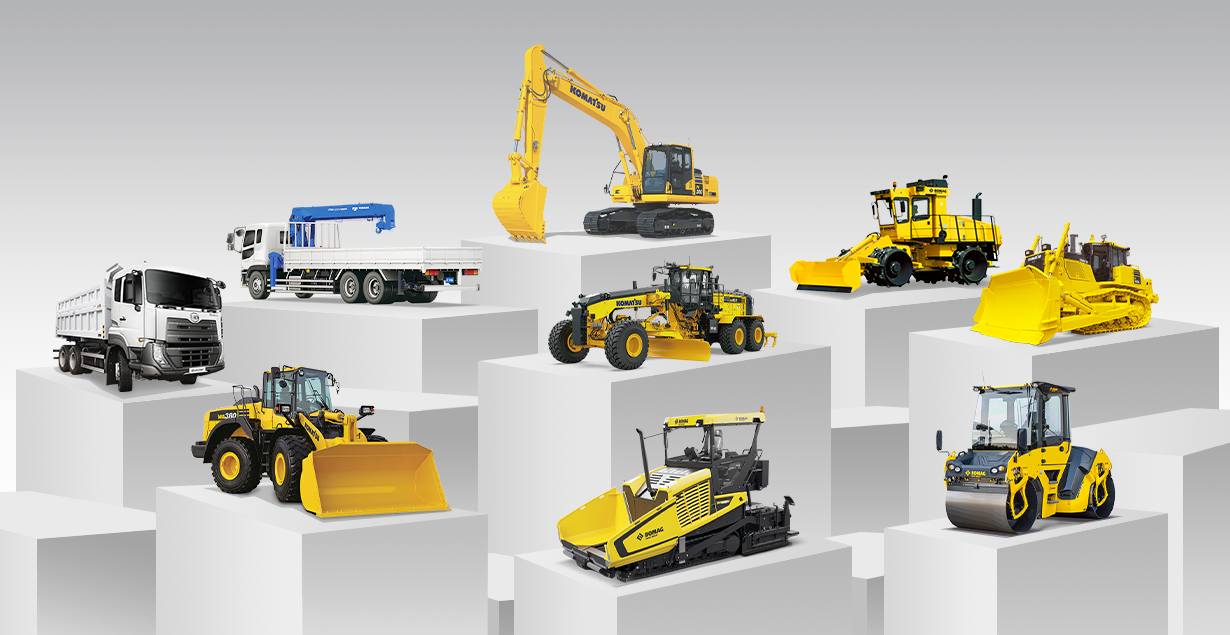
Discover 9 Types of Heavy Equipment and Their Functions on Site
1. Excavator
Excavators are widely used for digging foundations, trenching, demolition, and earthmoving. Equipped with a hydraulic arm and bucket, they deliver powerful and precise excavation performance. Komatsu Excavator distributed by United Tractors are designed for high productivity and fuel efficiency across various working conditions.
2. Bulldozer
Bulldozers are designed to push and level soil, debris, and other materials using a large front blade. They are essential for land clearing and terrain preparation. Komatsu Bulldozer are known for their durability in demanding construction and mining environments.
3. Wheel Loader
Wheel loader are used to move and load materials into dump trucks or transport them across job sites. Their large bucket capacity significantly improves loading efficiency and reduces operational time.
4. Dump Truck
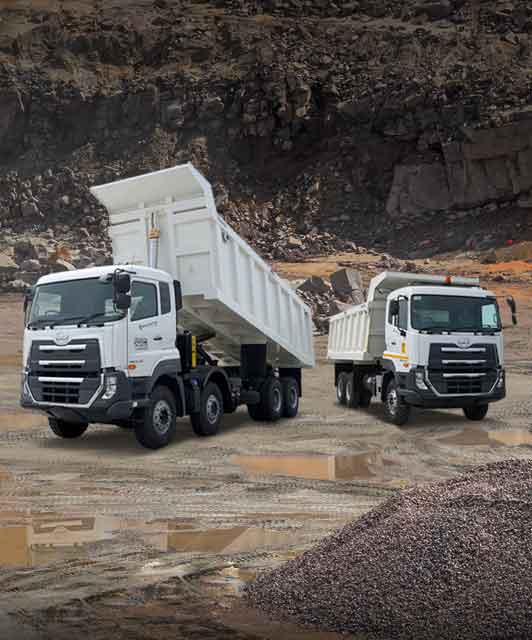
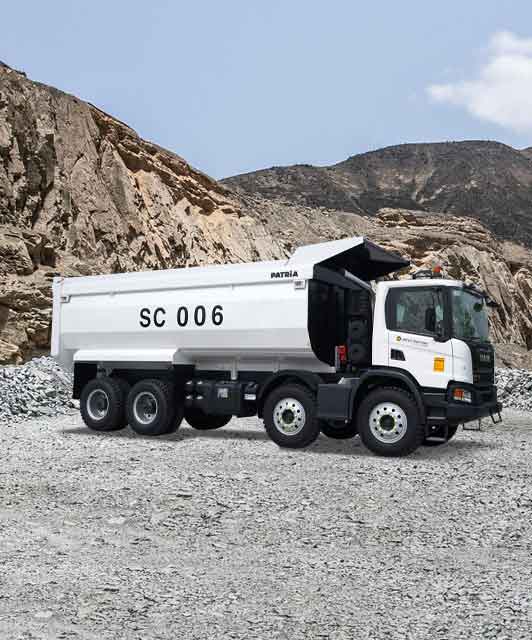
Dump trucks transport materials such as soil, sand, and aggregates from one location to another. The UD Trucks Quester Dump is engineered for durability and operational efficiency in various terrains and heavy-duty applications.
5. Motor Grader
Motor grader are essential for creating smooth and level surfaces, especially in road construction projects. They play a critical role in finishing work before compaction.
6. Compactor
Soil compactors are used to compress soil layers to achieve strong load-bearing capacity before construction begins. Bomag Soil compactor are designed to deliver optimal compaction results.
7. Vibro Roller
Vibro roller ensure even compaction of asphalt layers, contributing to durable and high-quality road surfaces.
8. Asphalt Finisher
Asphalt finisher evenly distribute hot mix asphalt before compaction. Precision during this stage directly impacts pavement quality and longevity.
9. Truck Loader Crane
Truck loader crane, also known as telescopic boom cargo cranes, are used for lifting and distributing heavy loads efficiently within project sites, offering operational flexibility.
Summary of Heavy Equipment Types and Their Primary Functions in Construction Projects
| Equipment Type | Main Function | Project Application |
| Excavator | Excavation & demolition | Foundations, trenching |
| Bulldozer | Pushing & leveling | Land clearing |
| Wheel Loader | Material loading | Construction sites |
| Dump Truck | Material transportation | Aggregate distribution |
| Motor Grader | Precision grading | Road construction |
| Compactor | Soil compaction | Base preparation |
| Vibro Roller | Asphalt compaction | Road surfacing |
| Asphalt Finisher | Asphalt paving | Infrastructure projects |
| Truck Loader Crane | Heavy lifting | Material handling |
How Does Heavy Equipment Improve Efficiency and Construction Quality?
1. Time and Cost Efficiency
Heavy equipment significantly reduces project duration compared to manual methods. Faster completion leads to better cost control and optimized labor allocation.
2. Improved Workplace Safety
Modern machinery is equipped with ergonomic cabins, stability systems, and advanced controls, minimizing risks and enhancing operator safety.
3. Higher Quality and Precision
Hydraulic systems and precision engineering enable consistent grading, compaction, and material handling results, ensuring higher construction standards.
How to Choose the Right Heavy Equipment
Selecting appropriate heavy equipment is crucial for project success. Consider the following factors:
1. Project Type and Scale
Small-scale projects require different equipment capacity compared to large infrastructure developments. Match equipment specifications with workload demands.
2. Site Conditions and Environment
Rocky terrain, soft soil, or confined spaces require specific equipment configurations to ensure safety and efficiency.
3. Technical Specifications and Capacity
Evaluate bucket capacity, engine power (horsepower), load capacity, and fuel efficiency before making a decision.
Don’t Make the Wrong Choice! Here’s How to Select the Right Heavy Equipment for Your Project
Selecting appropriate heavy equipment is crucial for project success. Consider the following factors:
1. Project Type and Scale
Small-scale projects require different equipment capacity compared to large infrastructure developments. Match equipment specifications with workload demands.
2. Site Conditions and Environment
Rocky terrain, soft soil, or confined spaces require specific equipment configurations to ensure safety and efficiency.
3. Technical Specifications and Capacity
Evaluate bucket capacity, engine power (horsepower), load capacity, and fuel efficiency before making a decision.
Why Is United Tractors a Strategic Partner for Heavy Equipment Solutions in Indonesia?
United Tractors (UT) is a leading heavy equipment distributor in Indonesia, representing global brands such as Komatsu, UD Trucks, Bomag, and Tadano. UT provides comprehensive heavy equipment solutions for construction, mining, and infrastructure projects.
Beyond equipment supply, United Tractors offers:
● Professional after-sales service
● Genuine spare parts availability
● Technical support and routine maintenance
● Extensive nationwide service network
With decades of industry experience, United Tractors serves as a strategic partner for major projects across Indonesia.
Still Have Questions About Heavy Equipment? Find the Answers Here
1. What heavy equipment is most commonly used in construction projects?
Excavators, bulldozers, and dump trucks are among the most commonly used machines due to their roles in excavation, leveling, and material transportation.
2. How do you determine the right heavy equipment capacity?
Capacity should be based on project volume, material type, and project timeline. Consulting with an authorized distributor is recommended to ensure accurate equipment selection.
3. What is the difference between construction and mining heavy equipment?
Mining equipment generally has higher capacity and durability because it operates under extreme conditions and handles heavier materials on a larger scale.
Ready to Optimize Your Project with the Right Heavy Equipment?
Heavy equipment is a critical component in ensuring efficiency, safety, and construction quality. By understanding equipment types, functions, and selection criteria, companies can significantly improve project performance.
For professional consultation and the right heavy equipment solution, contact call center UT Call 1500 072 and discuss it with United Tractors’ expert team today.