5 Reasons for Regular Heavy Equipment Service and Solutions
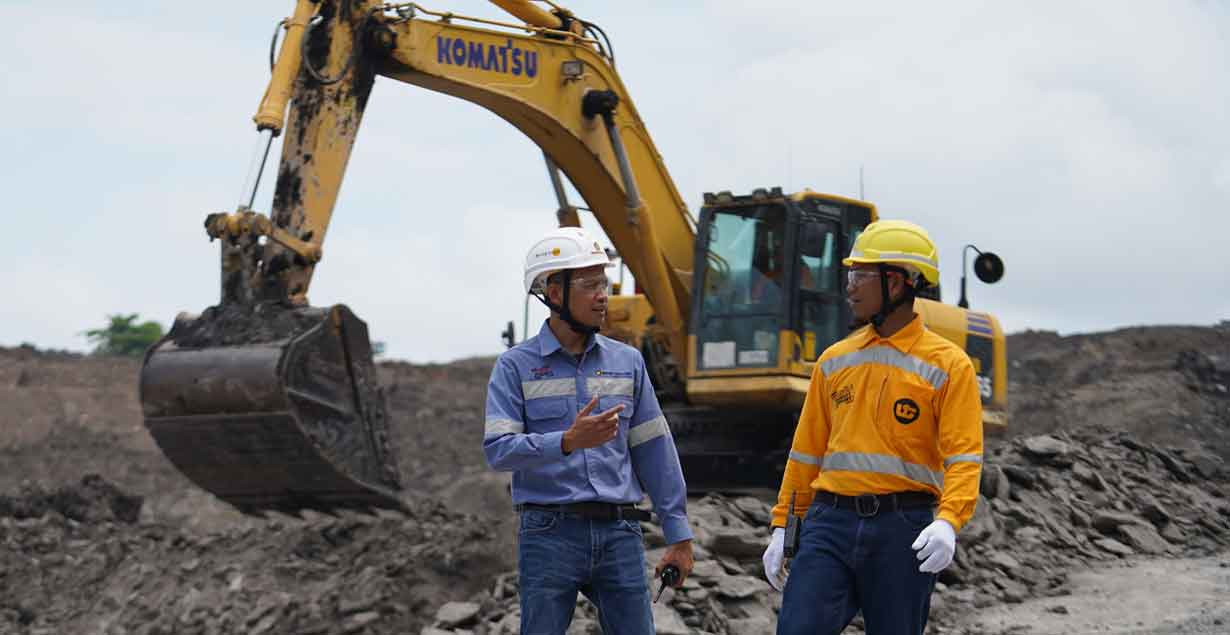 In the construction, mining, and infrastructure industries, heavy equipment is the backbone of operations, determining the smooth running of projects. Excavators, bulldozers, wheel loaders, and dump trucks work under extreme conditions every day to support project productivity. Therefore, equipment performance must always remain in optimal condition so work targets can be achieved on time.
However, many companies still delay heavy equipment service until damage occurs. In fact, delayed service can trigger downtime, increase repair costs, and disrupt overall project operations. Minor damage left untreated for too long can also develop into major damage that requires an overhaul at a high cost.
This is where the importance of regular heavy equipment service comes in. Preventive maintenance is not just a routine inspection but an important strategy for maintaining unit reliability, operational cost efficiency, and workplace safety in the field.
Understanding What Regular Heavy Equipment Service Is
Regular heavy equipment service is a routine maintenance process carried out based on unit working hours, operational conditions, or manufacturer recommendations. Its purpose is to prevent damage before major disruptions occur in the engine or main components.
This concept is also known as preventive maintenance. In practice, regular service includes oil replacement, filter inspection, hydraulic system checks, undercarriage inspections, and engine performance analysis.
To make it easier to understand, here are the differences between types of heavy equipment maintenance:
| Maintenance Type | Explanation | Purpose |
| Regular Service | Routine maintenance according to schedule | Prevent damage |
| Unscheduled Maintenance | Inspection when there are indications of problems | Identify disruptions |
| Midlife Overhaul | Mid-life overhaul of major components or subcomponents | Restore major component performance to an optimal level, extending reliable operation until the planned general overhaul interval |
| General Overhaul | Major repairs on engines/main components | Restore unit performance |
With proper heavy equipment service, companies can reduce the risk of sudden damage while maintaining stable project productivity.
1. Preventing Major Damage and Expensive Downtime
One of the main reasons that regular heavy equipment service is important is to prevent major damage that could halt project operations. When heavy equipment experiences sudden breakdowns, companies not only bear repair costs but also lose productivity due to downtime.
For example, damage to the hydraulic system that is not addressed promptly can affect the excavator’s overall performance. If the damage becomes more severe, the repair process will take longer and cost more.
Through preventive maintenance, technicians can detect potential problems earlier before they develop into serious damage. Routine inspections also help ensure that every component operates optimally in accordance with operational standards.
2. Extending the Service Life of Heavy Equipment Optimally
Heavy equipment is a high-value investment. Therefore, maintaining the service life of units is important for companies to maximize long-term investment returns.
Regular heavy equipment service helps maintain the engine, cooling system, and transmission components so they remain in prime condition. Routine replacement of lubricants and filters also prevents excessive friction that can accelerate component wear.
With proper maintenance, heavy equipment can operate longer without experiencing a significant performance decline. This certainly provides benefits, as companies do not need to replace units as quickly.
3. Maintaining Fuel Efficiency and Engine Performance
Engines that are not properly maintained tend to work harder and consume more fuel. Dirty filters, declining oil quality, or suboptimal combustion systems can affect heavy equipment efficiency.
With regular service, engine performance can be maintained, keeping it stable and fuel-efficient. Technicians will ensure every system operates according to specifications to improve energy efficiency.
In large-scale projects, fuel efficiency becomes an important factor because it directly impacts daily operational costs. The better the heavy equipment’s performance, the greater the company’s potential cost savings.
4. Supporting Operator Safety and the Work Environment
Work safety is a top priority in heavy equipment operations. Damage to certain components can increase the risk of workplace accidents for both operators and the surrounding project environment.
For example, brakes that are not routinely inspected can fail in high-risk areas. In addition, oil leaks or hydraulic system leaks can also endanger working conditions in the field.
Therefore, regular heavy equipment service helps ensure all unit safety systems continue to work optimally. Routine inspections allow companies to maintain workplace safety standards while minimizing the risk of operational accidents.
5. Helping Compliance with Operational Standards and Regulations
In the construction and mining industries, companies must comply with specific operational standards and safety regulations. One important aspect of this compliance is the condition of the heavy equipment being used.
Poorly maintained units have the potential to violate safety standards and operational emission standards. In addition to impacting productivity, this condition can also affect the company’s reputation.
By performing regular heavy equipment service, companies can ensure their units consistently meet applicable operational standards. Service documentation also serves as important historical evidence for audits and equipment performance evaluations.
Regular Service Solutions from United Tractors to Maintain Heavy Equipment Performance
As an integrated heavy equipment solutions provider, United Tractors offers a range of service programs to help companies maintain optimal unit performance.
Here are several available service programs:
| Service Program | Main Function | Benefits |
| UT PPM Services | Engine inspection program | Early damage detection |
| UT PMP Plus | Preventive maintenance package Customers receive genuine parts, including filters, oil, coolant, and grease, during scheduled maintenance. | Received extended warranty on engine and power train components |
| UT PSR Services | Regular service package Customers receive genuine parts, including filters, oil, coolant, and grease, during scheduled maintenance. | Reduce downtime Services and backlog inspections performed to manufacturer standards, ensuring reliable equipment performance and condition monitoring |
| UT PAP Services | Lubricant analysis program Monitoring components condition based on lubricant analysis | Monitor component condition |
| UT GOH Services | General overhaul | Restore engine performance and extend lifetime |
| UT PTA Services | Equipment exchange program | Unit replacement solution |
Through these programs, customers can choose heavy equipment service solutions according to operational needs and unit conditions.
Complete information regarding service programs can be found through the official United Tractors Product Support page.
Tips to Maximize Regular Heavy Equipment Service Programs
To ensure heavy equipment service delivers maximum results, companies need to implement consistent maintenance strategies. Here are several tips that can be applied:
1. Create a Maintenance Schedule Based on Unit Working Hours
Each heavy equipment unit has different service intervals depending on usage and working conditions. Therefore, it is important to create a maintenance schedule based on the unit’s hour meters so that service is carried out on time.
2. Use Daily and Weekly Inspection Checklists
Simple inspections, such as checking oil conditions, tire pressure, or hydraulic leaks, can help detect problems earlier before they develop into major damage.
3. Keep Service Records Organized
Service records help companies monitor unit maintenance history. This data is important for performance evaluation, maintenance cost estimation, and operational decision-making.
4. Utilize Technology Support and Remote Support
The use of digital technology in maintenance helps monitor equipment conditions more quickly and accurately. Technical support from service providers can also help make the troubleshooting process more efficient.
FAQ About Regular Heavy Equipment Service
1. How often should heavy equipment be serviced?
Service frequency depends on the type of equipment, working hours, and operational conditions. Generally, service is performed at specified intervals according to the manufacturer’s recommendations.
2. What is the difference between preventive maintenance and overhaul?
Preventive maintenance is routine maintenance to prevent damage, while an overhaul is a major repair process to restore the performance of an engine or a main component.
3. Does regular service affect equipment warranty?
Yes. Regular service in accordance with manufacturer standards is usually a requirement for maintaining equipment warranty validity.
A Long-Term Investment for Optimal Heavy Equipment Performance
Regular heavy equipment service is not merely an operational expense but an important investment in maintaining productivity, cost efficiency, and workplace safety. With proper preventive maintenance, companies can reduce downtime, extend equipment life, and maintain optimal unit performance.
Through United Tractors’ service programs, companies can obtain maintenance solutions that suit their operational needs across various industrial sectors.
For information and consultation regarding heavy equipment service programs, contact UT Call at 1500 072.