Understanding Heavy Equipment Spare Parts: 5 Essential Components
Heavy equipment spare parts are essential components that support machine performance and operational readiness. Each part serves a different function, from supporting engine operations to ensuring that the drive and electrical systems operate as required.
Understanding the types and functions of spare parts helps equipment owners identify maintenance needs, monitor component conditions, and determine when replacements are necessary. So, what are the essential heavy equipment spare parts, and how do you choose the right ones? Read on for the explanation!
What Makes Heavy Equipment Spare Parts So Important?
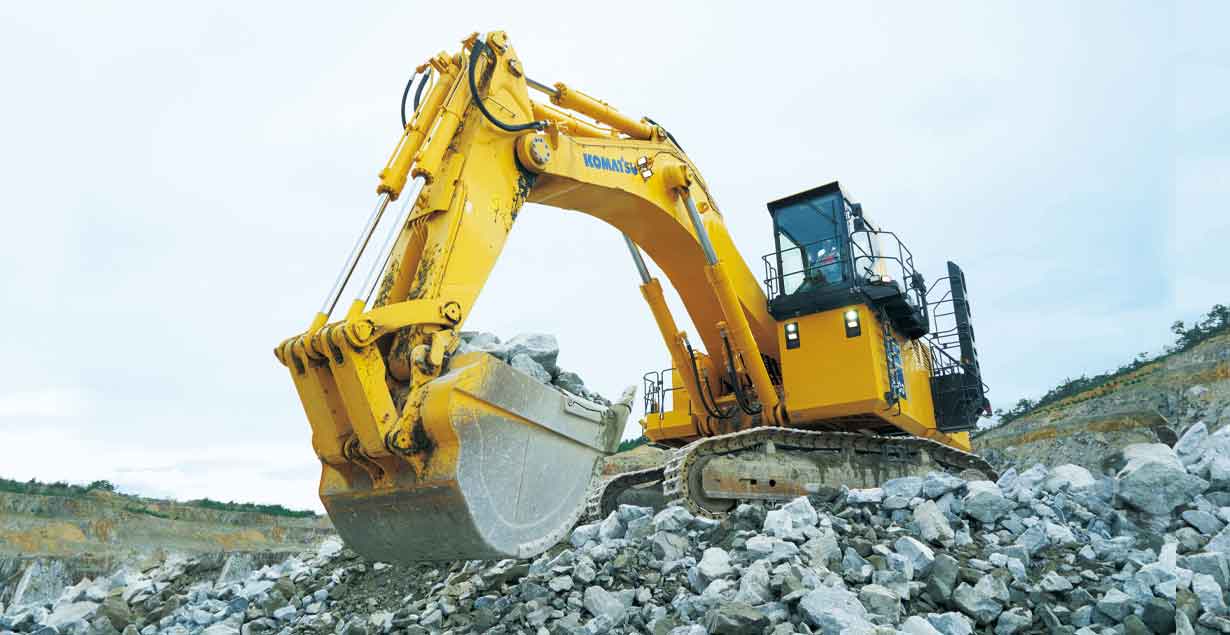
Heavy equipment such as excavators, bulldozers, and wheel loaders consists of various components that work together as an integrated system. The condition of each component can affect the overall performance of the machine.
Worn, damaged, or poorly functioning spare parts can disrupt field operations. If left unaddressed, these issues may develop into more serious damage and increase repair costs.
Therefore, understanding heavy equipment components is the first step toward conducting targeted inspections and maintenance. Equipment owners and operators can also more easily identify which parts need to be checked when changes in machine performance occur.
What Are Heavy Equipment Spare Parts, and What Role Do They Play in a Machine?
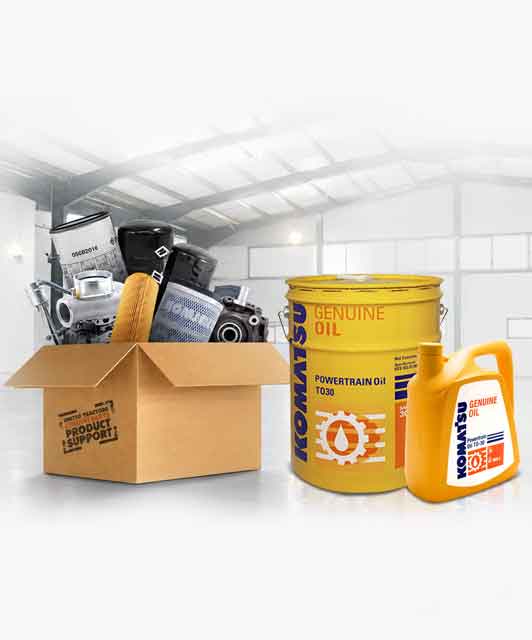
Heavy equipment spare parts are components or replacement parts used to support machine functions, maintenance, and repairs. These components are available in various types depending on the system and heavy equipment model.
Each spare part has an interconnected role. For example, the engine generates power, the transmission system transfers that power to the drive system, and the hydraulic system helps move working components such as the boom and arm on an excavator.
In general, there are five groups of spare parts to recognize: engine parts, hydraulic parts, transmission parts, undercarriage parts, and electrical parts.
5 Essential Heavy Equipment Spare Parts to Know
The following are five groups of spare parts, along with examples of their components and primary functions.
1. Engine Parts: Supporting Engine Operations
Engine parts are components that support the combustion process and engine operation. Examples include air filters, oil filters, injectors, and pistons.
Air filters help remove contaminants from the air entering the engine, while oil filters remove contaminants from the oil. Injectors spray fuel into the combustion chamber, while pistons move inside the cylinders to support the combustion process.
2. Hydraulic Parts: Generating and Transferring Hydraulic Power
Hydraulic systems use fluid pressure to generate mechanical movement. Common components include hydraulic pumps, hydraulic hoses or pipes, and hydraulic cylinders.
The pump generates pressurized fluid flow, the hoses transfer the fluid, and the cylinders convert that pressure into movement. On excavators, this system supports the movement of the boom, arm, and bucket.
3. Transmission Parts: Transferring Engine Power to the Drive System
Transmission parts transfer engine power to the drive system according to the machine’s requirements. These components include clutches, transmission gears, and bearings.
The clutch helps engage or disengage the power flow, while transmission gears regulate power transfer through appropriate gear ratios. Bearings support component rotation by reducing friction.
4. Undercarriage Parts: Supporting the Movement of Crawler Equipment
Undercarriage parts are components of the lower system of crawler-type heavy equipment, such as excavators and bulldozers. The main components include track shoes, track rollers, and sprockets.
Track shoes are the parts of the tracks that come into contact with the ground. Track rollers support the load and help the tracks move, while sprockets transmit movement to drive the tracks.
5. Electrical Parts: Supporting the Electrical System
Electrical parts provide the electricity needed to start the engine and operate various systems in heavy equipment. Examples include batteries, alternators, lights, and wiring harnesses.
The battery supplies electrical power, while the alternator generates electricity to charge the battery and support the electrical system while the engine is running. Lights and wiring harnesses support illumination and the distribution of electrical current.
How Do the Functions of the Five Heavy Equipment Spare Parts Differ?
To make the differences easier to understand, the following table compares the functions of each spare part group.
Spare Part Group | Component Examples | Primary Function | Impact of Malfunctions |
| Engine parts | Filters, injectors, pistons | Support engine operations | Engine power may decrease |
| Hydraulic parts | Pumps, hoses, cylinders | Generate and transfer hydraulic power | Movement of working components may be disrupted |
| Transmission parts | Clutches, transmission gears, bearings | Transfer power to the drive system | Machine movement may be disrupted |
| Undercarriage parts | Track shoes, track rollers, sprockets | Support crawler movement and the machine’s load | Machine mobility and stability may be affected |
| Electrical parts | Batteries, alternators, lights | Support the electrical system | The starter or electrical devices may malfunction |
How Can You Identify Spare Parts That Need Attention?
Heavy equipment spare parts should be inspected regularly to identify signs of wear, changes in function, or potential damage. Inspections can involve checking the physical condition of components, looking for fluid leaks, listening for unusual noises, and observing changes in machine performance.
Based on the inspection results, components can be categorized according to the action required.
Component Condition | Required Action | Example |
| No signs of damage, but monitoring is needed | Monitor through routine inspections | Track shoe wear that remains within acceptable operating limits |
| Inspection or maintenance is required | Maintain according to the prescribed procedures and maintenance schedule | Filters that need to be cleaned or replaced according to service intervals |
| Damaged or has reached its wear limit | Inspect and replace if the inspection indicates that the component is no longer fit for use | Damaged hydraulic hoses or track rollers that have reached their wear limits |
Conduct regular inspections according to the maintenance schedule and record the results. This helps detect potential problems early and allows maintenance and spare part replacement needs to be planned properly.
Why Are Genuine, High-Quality Spare Parts Important for Heavy Equipment?
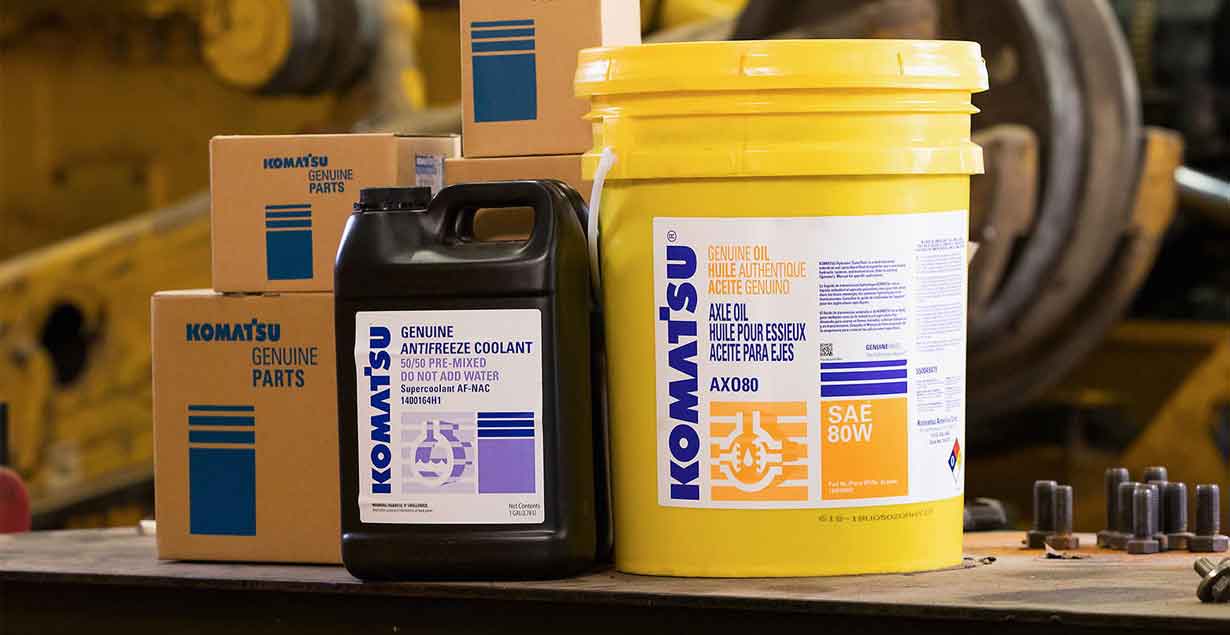
Spare parts that meet the required specifications help maintain machine reliability and performance. Conversely, incompatible components can cause problems, such as improper installation, suboptimal functionality, or wear on related components.
For example, a filter that does not meet the required specifications may not filter contaminants effectively. If left unaddressed, this condition can increase the risk of problems in the system the filter is designed to protect.
Therefore, do not consider the purchase price alone. Pay attention to specification compatibility, quality, product authenticity, and manufacturer recommendations to ensure that spare part replacement decisions are appropriate.
How Do You Choose the Right Spare Parts for Your Heavy Equipment?
Before purchasing heavy equipment spare parts, consider the following points.
Confirm the machine model. Identify the brand, type, and model of the heavy equipment to ensure that the selected components are compatible.
Check the part number. Use the part number and technical information as references to avoid ordering the wrong components.
Verify quality and authenticity. Choose components from trusted sources and ensure they comply with the manufacturer’s recommendations.
Consider the machine’s condition. Take inspection results, maintenance history, and component replacement needs into account.
Follow technical recommendations. If the cause of a malfunction is unknown, consult a technician before deciding which components need to be replaced.
These steps help reduce the risk of selecting the wrong spare parts and support more systematic maintenance planning.
How Does United Tractors Support Heavy Equipment Spare Part Needs?
To help meet spare part needs and support machine monitoring, United Tractors provides UT Connect, a digital platform for customers. Through the Klik UT feature, customers can order spare parts online for available brands, including Komatsu, Scania, Tadano, UD Trucks, and BOMAG.
In addition, the Equipment Monitoring feature provides machine-related information, including technical data, operating history, fuel consumption, maintenance schedules, and analyses of engine and component conditions. This information can help equipment owners monitor maintenance needs more systematically.
By using these digital services, spare part ordering and heavy equipment condition monitoring can be carried out more conveniently. Further information about UT Connect’s features and services is available on its official website.
FAQ About Heavy Equipment Spare Parts
1. What are heavy equipment spare parts?
Heavy equipment spare parts are components or replacement parts that support machine functions, maintenance, and repairs, ranging from the engine to the drive and electrical systems.
2. What are the essential heavy equipment spare parts?
The five groups to recognize are engine parts, hydraulic parts, transmission parts, undercarriage parts, and electrical parts.
3. When should heavy equipment spare parts be replaced?
Replacement is necessary when a component reaches its wear limit, becomes damaged, or no longer meets functional standards based on inspection results and manufacturer recommendations.
4. How do you choose the right spare parts for heavy equipment?
Confirm the machine’s brand and model, match the part number, check the component’s specifications and authenticity, and follow the manufacturer’s or technician’s recommendations.
Understand Spare Parts to Support Your Heavy Equipment’s Operational Readiness
Understanding the functions of heavy equipment spare parts helps equipment owners identify maintenance needs, anticipate potential disruptions, and select appropriate replacement components. With regular inspections and suitable spare part selection, machine conditions can also be monitored more systematically.
For information about heavy equipment spare part needs and related support, contact UT Call at 1500 072 or access digital services through UT Connect.