What is a Compactor and Its Classification as Compaction Equipment
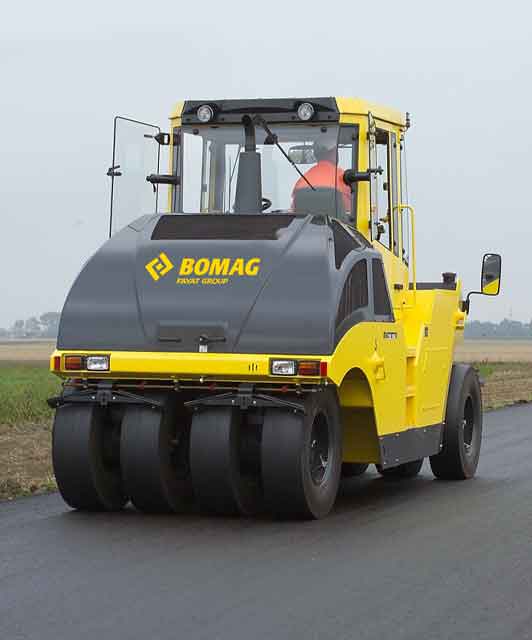
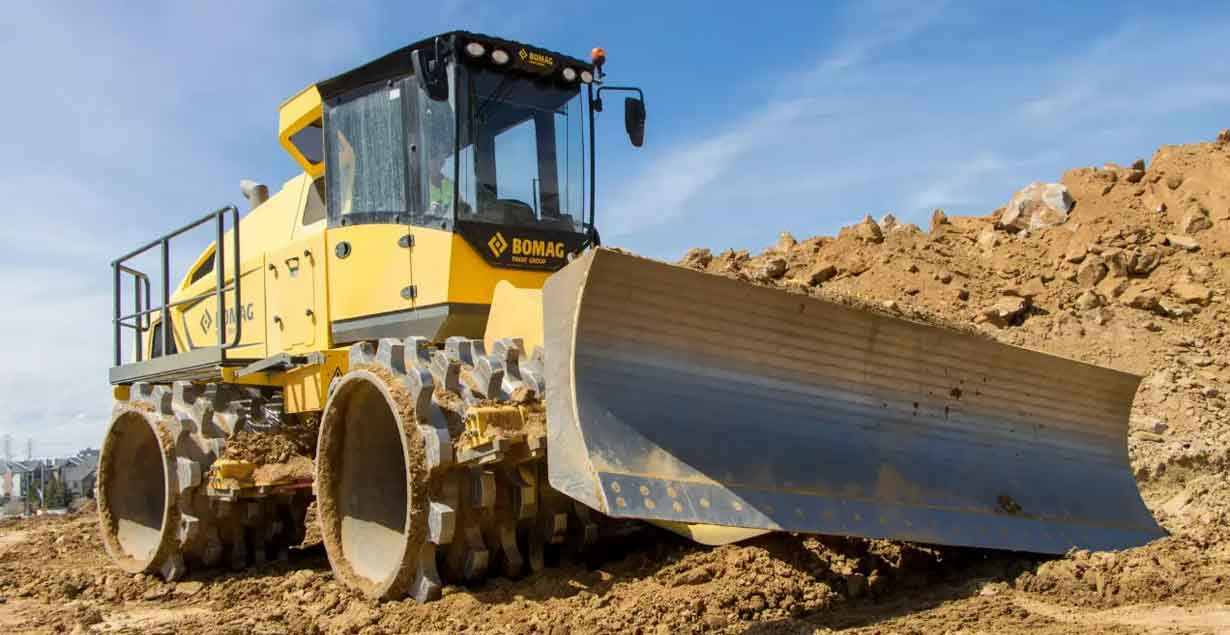 In the modern construction industry, foundation quality and work surface stability are important factors in determining a project’s success. One of the heavy equipment types that plays a major role in this process is the Bomag BC 473 EB, along with other compactors used for soil and mixed-material compaction.
The compaction process is very important in building projects, road construction, infrastructure development, and demolition areas. Soil or materials that are not properly compacted may cause surface settlement, structural cracks, and reduced construction lifespan.
Therefore, the use of compactors becomes an important part of creating a stable and safe working foundation. This article will discuss the definition of compactors, how they work, their classifications, and tips for selecting the right compactor for project needs.
Understanding Compactors More Closely as Material Compaction Equipment
In general, a compactor is heavy equipment used to compact soil, waste, or other materials to achieve a higher density. The main purpose of the compaction process is to reduce air voids in the material, thereby making the surface more stable and stronger.
The basic functions of compactors include:
● Increasing soil or material density.
● Helping strengthen construction foundations.
● Reducing the risk of ground settlement.
● Improving soil bearing capacity against heavy loads.
Unlike other heavy equipment, compactors have special components such as compaction drums, specialized wheels, and vibration or pressure systems that help make the compaction process more effective.
In construction and material processing projects, compactors are important equipment for ensuring long-term structural durability.
Why Are Compactors So Important in Construction Projects?
Soil compaction has a major impact on project quality and safety. Dense soil can withstand loads better compared to lose soil with large air voids.
Soil density is also directly related to structural lifespan. Roads, buildings, and work areas built on unstable surfaces are more likely to sustain damage more quickly.
The use of compactors helps reduce the risk of:
● Ground settlement.
● Foundation cracks.
● Uneven road surfaces.
● Instability in heavy equipment working areas.
For this reason, compaction becomes an essential stage before the main construction process begins.
Understanding Compactor Classification Based on Their Functions
In general, compactors are divided into two main categories: single drum roller, soil compactors and refuse compactors. Each type has different functions and characteristics depending on project requirements.
1. Single Drum Roller: Soil and Aggregate Compaction Solutions
Single drum rollers are types of compactors commonly used to compact subgrade, aggregate layers, and granular materials in road construction, industrial, and infrastructure projects.
The general characteristics of single drum roller include:
- Using a single steel drum as the primary compaction component.
- Suitable for compacting soil, sand, gravel, and aggregate materials.
- Available in vibratory and static roller configurations.
- Commonly used in road construction, dam projects, industrial developments, and site preparation.
Several Bomag single drum roller products available through United Tractors include:
2. Soil Compactors: Soil Compaction Solutions for Construction
Soil compactors are types of compactors specifically used to compact soil in construction, road, and infrastructure projects.
The general characteristics of soil compactors include:
- Focused on soil and work surface compaction.
- Using pressure and vibration systems.
- Suitable for projects requiring high surface stability.
Soil compactors are ideally used for:
- Road construction.
- Building foundation areas.
- Infrastructure projects.
- Land clearing and site preparation.
Several Bomag soil compactor products available through United Tractors include:
These units are designed to deliver optimal compaction performance across various working conditions.
3. Refuse Compactors: Compaction Equipment for Waste and Mixed Materials
Unlike single drum roller and soil compactors, refuse compactors are used to compact mixed materials such as waste, construction debris, and irregular heavy materials.
The characteristics of refuse compactors include:
- Designed for heterogeneous materials.
- Helps level and compact waste materials.
- Used in waste management and landfill areas.
The main difference between in the type of material being processed. Refuse compactors are designed to handle mixed materials with irregular shapes and densities.
Several Bomag refuse compactor products include:
These units are designed to support waste management operations with more optimal compaction efficiency.
How Does a Compactor Work in Compacting Materials?
Compactors work by applying pressure and vibration to material surfaces to reduce air voids within them.
In general, the compaction process is carried out through:
| Compaction Method | Working Principle | Common Applications |
| Static Pressure | Using equipment weight to press materials | Base soil and flat surfaces |
| Vibration | Using vibration to increase density | Granular soil and roads |
| Kneading | Applying repeated pressure | Mixed materials and landfill |
The method used will affect the density results and the stability of materials beneath the surface. The better the compaction process, the stronger the soil bearing capacity for structures above it.
Tips for Choosing the Right Compactor for Your Project
Choosing the right compactor should be adjusted to the type of work and field conditions.
Here are several tips to consider:
1. Match It with the Material Type
Ensure the compactor type matches the material being compacted, whether soil, sand, waste, or mixed materials.
2. Consider Project Size
Large-scale projects require compactors with greater capacity and performance than smaller projects.
3. Pay Attention to Safety Features and Ease of Operation
Choose units equipped with safety features and operator-friendly controls to improve work productivity.
4. Ensure Service and Spare Parts Availability
After-sales support and spare parts availability are important factors to maintain optimal equipment operation in the long term.
FAQ About Compactors
1. What is the difference between a compactor and a roller?
A compactor is a general term for compaction equipment, while a roller is a type of compactor that uses a drum as its primary compaction component.
2. What are the advantages of a single drum roller over other compaction equipment?
A single drum roller offers efficient operation, consistent compaction results, and ease of use, making it a popular choice for various construction projects.
3. How do you choose the right compactor for your project?
Choose a compactor based on the material and project requirements. Single drum rollers are suitable for soil and aggregates, soil compactors for high-density soil compaction, and refuse compactors for landfill applications.
Compactors, Essential Solutions for Project Stability and Efficiency
Compactors play an important role in creating stable, safe surfaces that support structures over the long term. With classifications such as soil compactors and refuse compactors, each project can use the equipment type best suited to its operational requirements.
Using the right compactor helps improve construction quality while reducing the risk of future damage.
For consultation regarding compactor needs based on your project location and work volume, contact UT Call on 1500 072 for suitable product recommendations.