United Tractors’ Heavy Equipment Service: Types and Programs
 In the mining, infrastructure, and construction sectors, heavy equipment maintenance is not only a technical need but also a crucial tactic for preserving peak machine performance. Heavy machinery is subjected to harsh site conditions, extended working hours, and great pressure. The likelihood of serious failures and downtime rises sharply in the absence of planned and periodic maintenance.
Unplanned downtime, which can result in project delays and cost overruns, is the largest problem in heavy equipment operations. Early detection of minor problems frequently leads to costly big fixes.
United Tractors provides a variety of heavy equipment servicing programs as part of an integrated solution to preserve machine dependability, increase service life, and guarantee consistent project productivity.
Heavy Equipment Service as a Strategic Priority
Globally, the heavy equipment industry continues to demonstrate substantial growth, with its market value projected to reach hundreds of billions of dollars over the next decade, driven by expanding infrastructure development and increased mining activities.
According to imarcgroup.com, the global construction equipment market is expected to continue its upward trajectory through the 2030s. Meanwhile, industry reports cited by caronbusiness.com indicate that maintenance costs may account for approximately 30–50% of total mining operational expenditures.
Additional data suggests that heavy equipment downtime can range between 15–25% annually, with potential losses amounting to hundreds of dollars per hour for each unit that remains non-operational. Furthermore, academic research published on arxiv.org indicates that the implementation of technology-based predictive maintenance can generate significant cost savings compared to conventional maintenance approaches.
These findings underscore that heavy equipment service is not merely a routine operational activity, but rather a critical strategic initiative in managing high-value assets to ensure operational efficiency, productivity, and long-term project sustainability.
What Is Heavy Equipment Service and Why Is It Important for Projects?
1. Definition of Heavy Equipment Service in Machine Operations
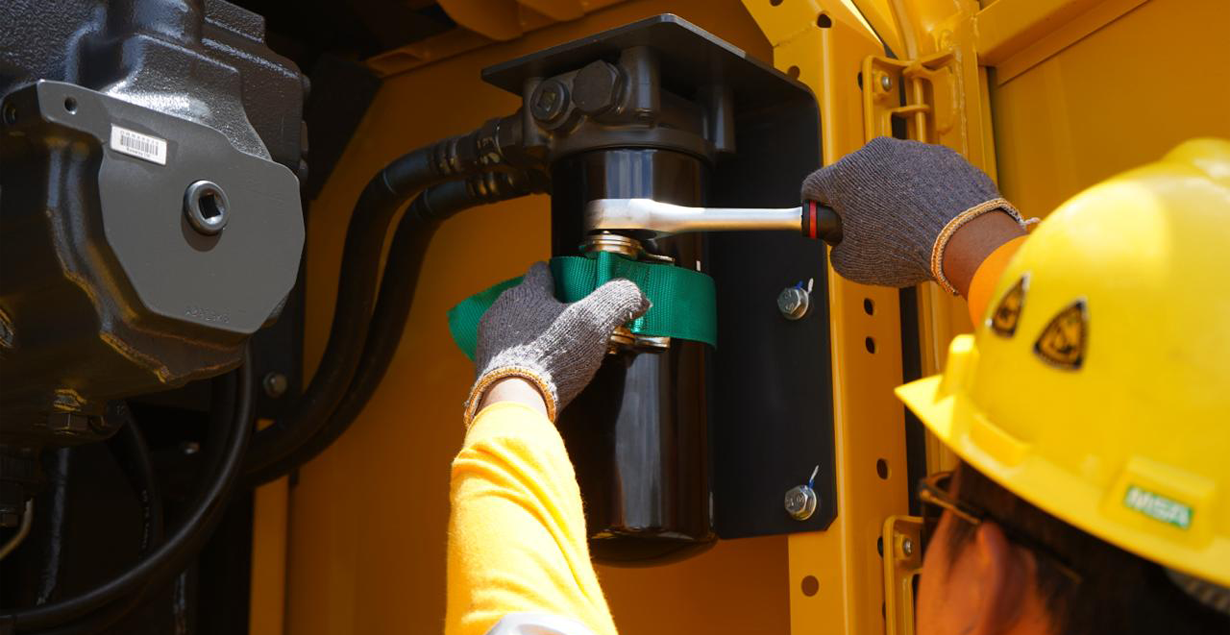
Heavy equipment service is a set of maintenance, inspection, analysis, and repair actions performed on a regular basis or based on machine condition. The primary goal is to guarantee that all components of the equipment function in line with the manufacturer’s technical standards.
In operational practice, heavy equipment service includes:
● Inspection of major machine components
● Replacement of worn parts
● Lubricant analysis
● Inspection of hydraulic and electrical systems
● Periodic overhaul procedures
2. Primary Objectives of Heavy Equipment Service
Heavy equipment servicing has three primary objectives:
● Prevent major failures through early detection.
● Improve fuel efficiency and overall machine performance.
● Minimize downtime to keep projects on schedule.
With the right service program in place, operational costs can be managed more effectively and predictably.
Discover 6 Heavy Equipment Service Programs from United Tractors
United Tractors offers a range of service programs tailored to meet customers’ operational needs.
1. UT PTA Services (Parts Exchange Program): An Efficient Solution for Critical Components
UT PTA is a component exchange program that replaces important parts like engines and transmissions with officially reconditioned units. This program is excellent when essential components are nearing the end of their service life and projects still require rapid operational readiness without the need for costly maintenance.
Key functions:
● Accelerate repair time
● Reduce downtime
● Ensure component quality meets established standards
2. UT PAP Services (Lubricant Analysis Program): Early Detection of Machine Issues
The Lubricant Analysis Program (PAP) examines oil samples to identify probable faults. Metal particles or impurities in the oil may signal early indicators of component wear.
Key benefits:
● Detect issues before they develop into major failures
● Enable data-driven maintenance planning
● Support long-term cost savings
3. UT PPM Services (Machine Inspection Program): Comprehensive Unit Condition Assessment
PPM is a comprehensive inspection program covering machine conditions and major components. It helps identify potential risks and provides technical recommendations for necessary repairs.
Advantages:
● Thorough evaluation of unit condition
● Structured repair recommendations
● Supports effective maintenance planning
4. UT PMP Plus (Preventive Maintenance Package): Performance Stability Through Scheduled Maintenance
PMP Plus is a planned maintenance package based on heavy machinery working hours. This preventative maintenance technique is intended to keep performance stable and prevent operational interruptions.
Impact:
● More stable machine performance
● More predictable operational costs
● Extended equipment service life
5. UT PSR Services (Regular Service Package): Daily Support in the Field
PSR provides routine servicing and minor repairs to ensure heavy equipment remains ready for daily operations.
Benefits:
● Quick response to minor issues
● Direct technical support
● Helps maintain operational productivity
6. UT GOH Services (General Overhaul): Comprehensive Machine Rejuvenation
When a machine achieves a specific number of running hours, it undergoes a general overhaul (GOH). The procedure include comprehensive disassembly, examination, and replacement of main components.
Overhaul is essential to:
● Restore machine performance to optimal condition
● Extend the equipment lifecycle
● Prevent total failure
Summary Table of Heavy Equipment Types and Their Primary Functions in Construction Projects
Service Program | Primary Focus | Key Benefits | When It’s Needed |
| UT PTA | Major component exchange | Minimize downtime | Critical components are worn |
| UT PAP | Lubricant analysis | Early failure detection | Routine maintenance |
| UT PPM | Machine inspection | Risk identification | Unit condition evaluation |
| UT PMP Plus | Preventive maintenance | Performance stability | Based on operating hours |
| UT PSR | Routine service | Daily support | Routine operations |
| UT GOH | General overhaul | Machine rejuvenation | High operating hours |
How Heavy Equipment Service Supports Project Success
Choosing the correct heavy equipment servicing program takes consideration of a number of essential factors:
1. Reduce Downtime and Major Repair Costs
Scheduled service helps to avoid unexpected malfunctions that might impede project operations.
2. Maintain Operator Safety and the Work Environment
Well-maintained machinery reduces the likelihood of system breakdowns, which might harm operators.
3. Improve Productivity and Equipment Reliability
Equipment in great condition guarantees that project objectives be completed without substantial technical delays.
Avoid Choosing the Wrong Option! How to Choose the Right Service Program.
Selecting a heavy equipment service program should take several key factors into account:
1. Unit Age and Operating Hours
Units with high operating hours may require an overhaul or a PTA program.
2. Type of Work and Operational Load
Heavy-duty projects demand a stricter preventive maintenance schedule.
3. Budget and Productivity Targets
The service program should align with cost-efficiency strategies.
4. Technical Support and Spare Parts Availability
Ensure the service provider has certified technicians and access to genuine spare parts.
Why United Tractors Is a Trusted Heavy Equipment Service Partner?
United Tractors operates a nationwide service network supported by certified technicians with extensive experience in handling various types of heavy equipment. Its after-sales support includes:
● Genuine spare parts
● Monitoring and analysis systems
● 24/7 service support
● Integrated solutions tailored to customer needs
This approach ensures customers receive comprehensive and sustainable heavy equipment service solutions.
Understanding Heavy Equipment Service: Key Questions Answered
1. How often should heavy equipment be serviced?
Servicing is performed based on operating hours and manufacturer recommendations, typically at specific intervals such as 250, 500, or 1,000 working hours.
2. What is the difference between preventive maintenance and general overhaul?
Preventive maintenance involves routine servicing to prevent failures, while a general overhaul is a comprehensive rebuild performed after the machine reaches a certain operating hour limit.
3. Which service program is suitable for high-hour equipment?
GOH (General Overhaul) or PTA (Parts Exchange Program) is typically recommended for units with high operating hours.
Ready to Optimize Your Equipment Performance with the Right Service Program?
Heavy equipment servicing is a strategic investment to maintain machine reliability, enhance workplace safety, and improve project efficiency. By selecting the appropriate service program, companies can control costs while increasing productivity.
Contact UT Call 1500 072 (24/7) to consult your heavy equipment service needs with United Tractors’ team of professionals.