Risks of Non-Genuine Spare Parts and Solutions
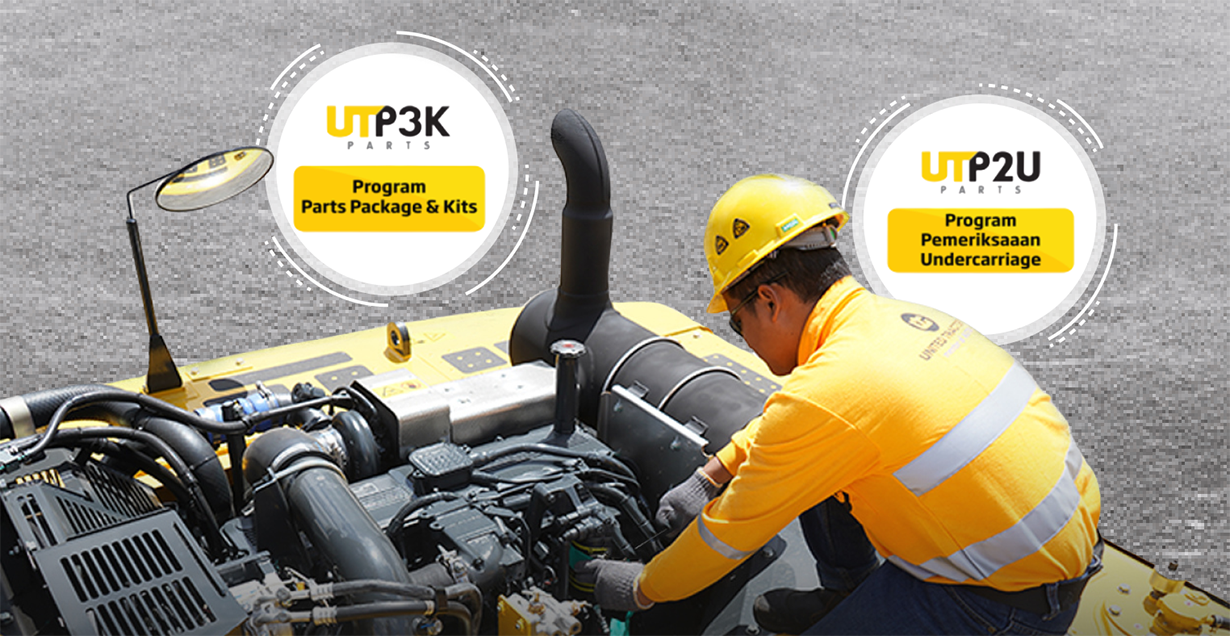 In mining, construction, forestry, and agriculture operations, heavy equipment spare parts play a critical role in maintaining machine performance, efficiency, and workplace safety. Every component, ranging from filters and hydraulic systems to undercarriage parts and core engine components, is engineered to operate within precise manufacturer specifications.
However, the use of non-genuine spare parts remains common in the field due to their lower upfront cost. While they may appear cost-effective initially, these parts often carry long-term operational risks that can affect equipment reliability and overall operating expenses.
This article explains the key risks of using non-genuine spare parts and presents the appropriate solution through the official programs offered by United Tractors.
Genuine vs Non-Genuine Heavy Equipment Spare Parts: What’s the Difference?
Genuine (OEM) Spare Parts: Built to Manufacturer Standards
Genuine spare parts, commonly referred to as OEM (Original Equipment Manufacturer) parts, are components produced according to the exact technical standards of the equipment manufacturer. Dimensions, material quality, durability, and compatibility are thoroughly tested to ensure optimal integration with the machine system.
OEM spare parts typically come with official warranty coverage and full technical support from authorized dealers.
Non-Genuine Spare Parts: Aftermarket Alternatives
Non-genuine spare parts are aftermarket components produced by third-party manufacturers. Their quality can vary significantly; some may approach OEM standards, while others fall far below required tolerances.
The main differences involve:
● Material composition and manufacturing precision
● Quality control testing
● Warranty protection
● After-sales and technical support
5 Major Risks of Using Non-Genuine Spare Parts
1. Unverified Material Quality
Heavy equipment operates under extreme loads and harsh environments. Components made from substandard materials may wear out faster, reducing operational lifespan and reliability.
2. Potential Engine and System Damage
Imprecise components can disrupt hydraulic systems, transmissions, or engine performance. In many cases, a single incompatible part can trigger a chain failure affecting multiple systems.
3. Reduced Operational Efficiency
Poor-quality spare parts may increase fuel consumption, reduce engine output, and negatively impact overall machine productivity.
4. Warranty and Compliance Issues
Using non-genuine parts may void manufacturer warranties and compromise compliance with operational or safety standards required by certain projects.
5. Decreased Workplace Safety
Critical components such as braking systems, steering assemblies, or structural parts that do not meet OEM standards can increase accident risks and safety hazards on site.
Direct Impact on Costs and Productivity
Although non-genuine spare parts may reduce short-term purchasing costs, they often increase the Total Cost of Ownership (TCO) over time. The following table summarizes the analysis impact:
| Aspect | Genuine Spare Parts | Non-Genuine Spare Parts |
| Durability | Meets manufacturer standards | Inconsistent quality |
| Repair Frequency | Lower | Higher |
| Downtime Risk | Minimal | Higher |
| Warranty Coverage | Official and protected | Limited or none |
| Total Cost of Ownership | More controlled | Likely to increase |
Operational Consequences:
1. Higher TCO due to more frequent repairs.
2. Increased downtime from unexpected failures.
3. Potential project delays resulting in financial penalties.
The Right Solution: Use Genuine Spare Parts
Choosing genuine spare parts offers long-term operational advantages:
● Maximum precision and compatibility
● Longer service life
● Official technical support
● Warranty protection
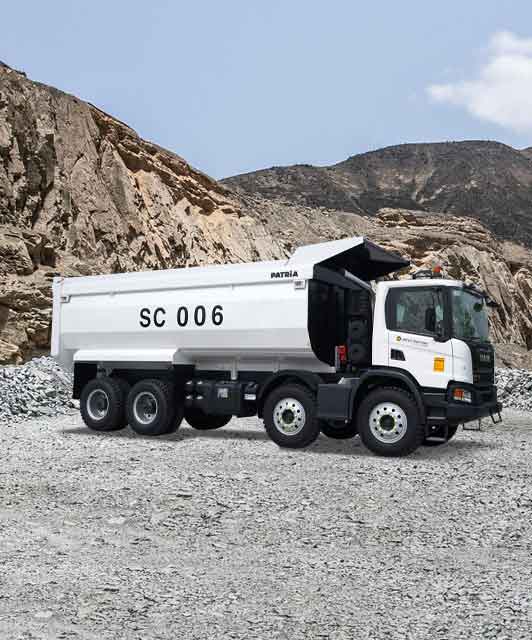
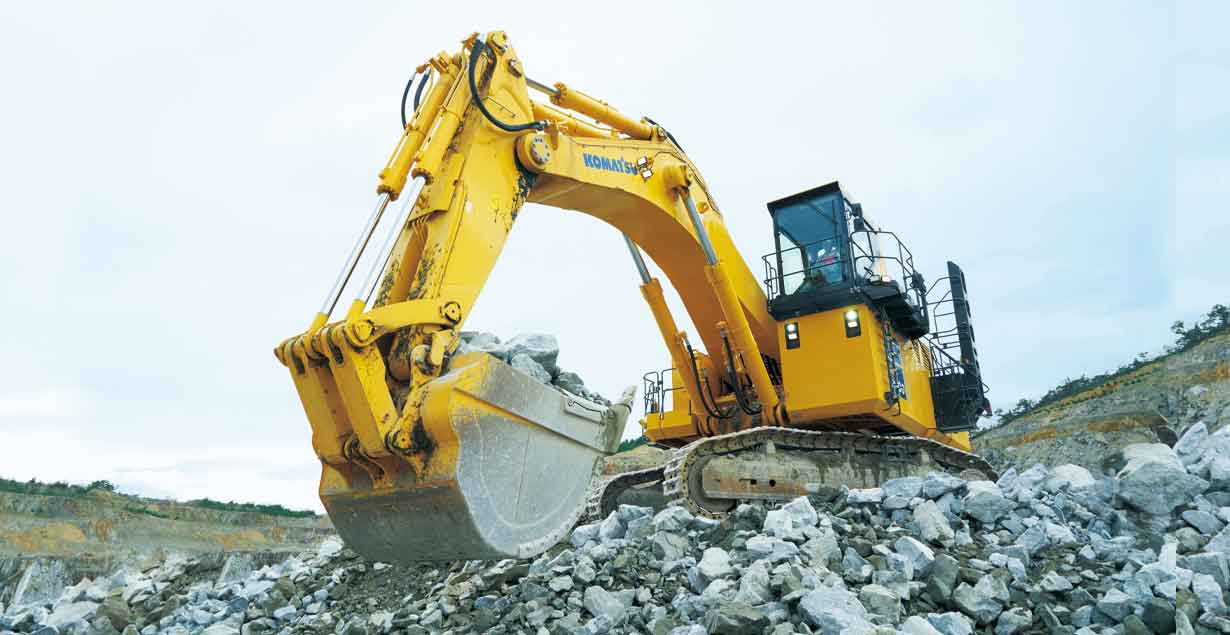
Manufacturers such as Komatsu, UD Trucks, Scania, Bomag, and Tadano apply strict quality control processes before distributing spare parts to the market.
As an authorized distributor, United Tractors provides genuine spare parts through its official parts support program to ensure equipment reliability and long-term productivity.
United Tractors Spare Parts Programs: Official and Reliable Solutions
1. UT P2U (Undercarriage Inspection Program)
This program monitors undercarriage conditions to prevent premature wear and maintain optimal machine performance.
2. UT P3K (Parts Package & Kits Program)
Pre-arranged spare part packages tailored for periodic maintenance schedules, improving efficiency and maintenance planning.
Key Advantages of UT Programs
● Availability of genuine spare parts
● Professional technical consultation
● Equipment condition monitoring
● Long-term maintenance cost efficiency
These programs are designed to help operators maintain equipment productivity while minimizing risks associated with non-genuine components.
Practical Tips for Choosing the Right Spare Parts
1. Verify the Part Number
Always ensure the part number matches your equipment model and serial number.
2. Check Certifications and Manufacturer Standards
Genuine spare parts include proper documentation and compliance certification.
3. Use Authorized Dealers
Consult official dealers such as United Tractors to confirm technical compatibility.
4. Maintain Service History Records
Proper service documentation helps track component lifespan and prevent unexpected failures.
Frequently Asked Questions About Heavy Equipment Spare Parts
1. What is the difference between genuine and aftermarket spare parts?
Genuine spare parts are manufactured according to the equipment producer’s standards, while aftermarket parts are produced by third parties with varying quality levels.
2. What is the direct impact of using non-genuine spare parts on engine performance?
Performance may decline, fuel consumption may increase, and the risk of damage to other components becomes higher.
3. How can you verify whether a spare part is genuine?
Check the official part number, packaging authenticity, certification, and purchase only through authorized dealers such as United Tractors.
A Smarter Step to Protect Your Equipment Investment
Using non-genuine spare parts in heavy equipment increases the risk of machine failure, downtime, and long-term operational costs. In contrast, genuine spare parts provide precision, durability, and investment protection.
To ensure your spare parts align with your equipment specifications and maintenance schedule, consult directly with professionals.
📞 Contact UT Call at 1500 072 (24/7) for expert recommendations and genuine spare parts solutions tailored to your operational needs.