What Is an Excavator? Types and Functions for Various Projects
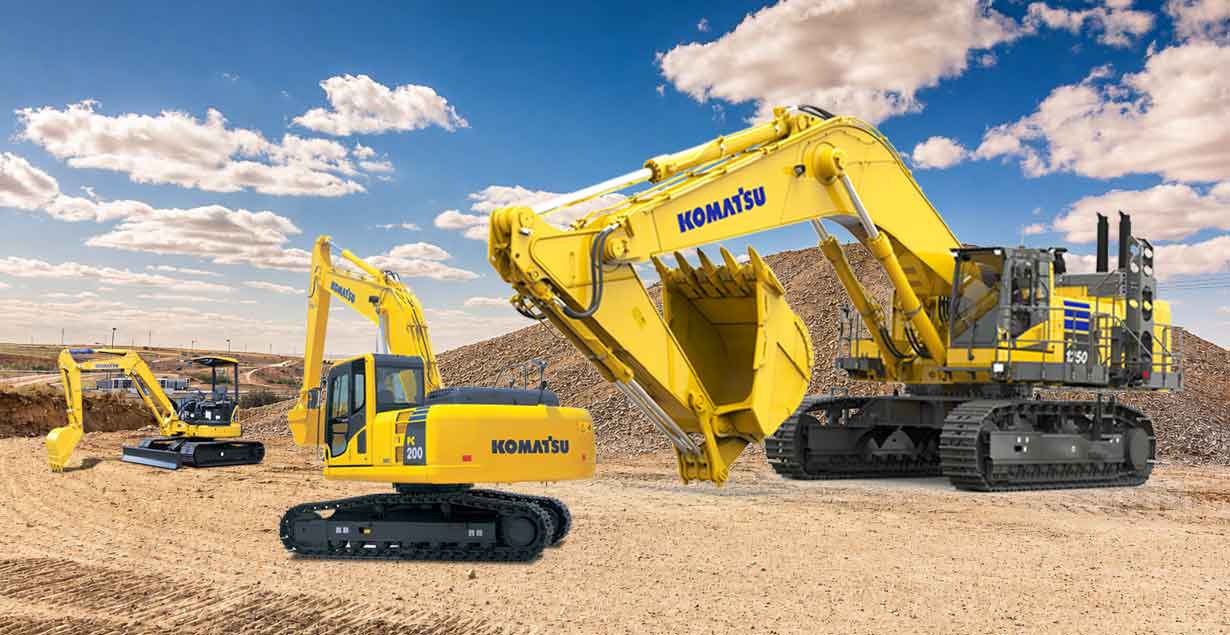
An excavator is a piece of heavy equipment powered by a hydraulic system and equipped with various specialized attachments to perform diverse tasks, including digging, lifting, loading, and handling materials. Thanks to its operational versatility, excavators play a vital role in supporting major project activities, ranging from infrastructure development and civil construction to large scale mining operations.
The ability of excavators to handle a wide variety of tasks makes them one of the most essential pieces of heavy equipment across different types of projects. In addition to improving time efficiency and productivit, excavators also enable high-precision operations, allowing projects to be completed more effectively.
Understanding the Main Components of an Excavator and How It Operates
To operate efficiently, an excavator consists of several key components that work together. Each component plays an important role in carrying out different operational tasks.
| Excavator Component | Primary Function |
| Boom | Controls upward and downward movement to reach the working area |
| Arm | Adjusts the distance between the bucket and the machine |
| Bucket | The heavy duty attachment designed for digging, scooping, and moving materials. |
| Cabin | The operator’s control center, engineered for safe, comfortable, and ergonomic operation. |
| Undercarriage | The lower structure that provides mobility and stability |
| Hydraulic System | Generates the power required to operate the excavator’s components |
In simple terms, an excavator operates when the operator uses the control levers inside the cabin to activate the hydraulic system. The hydraulic system then directs pressurized oil to the hydraulic cylinders oil to the hydraulic cylinders, which move the main components, including the boom, arm, and bucket. These movements enable the excavator to perform various tasks, such as digging, lifting, and moving materials.
Types of Excavators: Which One Is Best for Your Project?
Every project has different requirements, so selecting the right type of excavator should be based on the project scale, site conditions, and productivity targets.
Mini Excavator: A Compact Solution for Confined Areas
Mini excavators are ideal for jobs that require high flexibility, especially in confined spaces or areas with limited maneuvering room.
The Komatsu PC45MR-3 is one of the units in this category, featuring an operating weight of approximately 4.7 tons, a bucket capacity of 0.14 m³, a robust rear swing design, and compact dimensions that allow operators to work more easily in confined areas.
It also offers a balanced combination of size, working performance, and operational efficiency, making it suitable for a wide range of applications, including construction, agriculture, forestry, and mining.
Small-Medium Excavator: A Versatile Choice for Various Projects
The small-medium excavator category is widely used because it provides a balanced combination of size, power, and versatility.
One machine in this category is the PC135F-10M0, designed to support a wide range of forestry applications. Weighing approximately 13 tons, this machine features an efficient hydraulic system and can reduce fuel consumption by up to 11%.
Another option is the PC200-10M0 CE, which has an operating weight of 20.5 tons and a bucket capacity of 1.00 m³. This excavator is known for its durability, featuring reinforced boom and arm components and offering fuel savings of up to 18%, making it highly reliable.
Big Excavator: Designed for Heavy-Duty and Mining Operations
Big excavators are designed for applications requiring high power and large capacities, particularly in the mining industry. The PC1250-11R is a 125-ton class excavator with a 7.5 m³ bucket capacity, built to maximize operational productivity.
For larger-scale operations, Komatsu also offers the PC2000-11R, a 200-ton class excavator equipped with a powerful 780 kW (1,050 HP) engine, a 14 m³ bucket capacity, and advanced technologies such as KomVision and KOMTRAX Plus to support machine monitoring.
Recommended Excavators by Category and Application
| Excavator Category | Recommended Model | Key Advantage | Suitable For |
| Mini Excavator | PC45MR-3 | Compact and highly maneuverable | Confined spaces and precision work |
| Small Excavator | PC135F-10M0 | Versatile for various applications | Various forestry applications |
| Medium Excavator | PC200-10M0 CE | Large bucket capacity | General construction and infrastructure |
| Big Excavator | PC1250-11R | High productivity | Mining and heavy-duty applications |
| Extra Big Excavator | PC2000-11R | High productivity | Large-scale mining operations |
Excavator Functions Across Various Project Types
Excavators are among the most versatile earthmoving machines on the market today. Primary applications include:
- Performing excavation work for site preparation, trenching, and construction projects requiring specific digging depths and reach.
- Handling materials such as soil, sand, rocks, and excavated materials using the bucket to improve project efficiency.
- Assisting in foundation construction for buildings, roads, and other infrastructure projects.
- Supporting demolition work by using appropriate attachments to break down or remove structures.
- Supporting mining operations through large-scale excavation and material handling to improve operational productivity.
- Assisting in river maintenance, dredging operations, and various infrastructure projects requiring excavation and material movement.
What Should You Consider Before Choosing an Excavator?
Before selecting an excavator, several important factors should be considered:
- Project scale: Choose a machine size that matches the operational requirements.
- Site conditions: Consider the accessibility coperating environment and site characteristics.
- Bucket capacity: Select a bucket size that aligns with your productivity targets.
- Operational efficiency: Ensure the machine provides optimal fuel efficiency and working performance.
- Service and spare parts support: Choose a product backed by reliable after-sales service and spare parts availability.
FAQ About Excavator
What is the difference between a mini excavator and a large excavator?
Mini excavators are more compact, making them suitable for confined spaces and precision work. Large excavators offer greater power and capacity for heavy-duty applications such as mining.
What types of construction projects are excavators best suited for?
Excavators can be used for a wide range of projects, including building construction, infrastructure development, excavation, foundation work, and material handling.
How do I choose the right excavator size?
The appropriate excavator size should be selected based on the project scale, site conditions, required working capacity, and productivity targets.
Can excavators be used for purposes other than digging?
Yes. In addition to digging, excavators are commonly used for material loading, demolition, mining operations, and river maintenance projects.
Choose the Right Excavator for Greater Project Efficiency
Excavators are essential heavy equipment machines that play a crucial role in the success of various projects. Choosing the right machine should not be based solely on size or capacity but also on the specific job requirements, site conditions, and operational objectives.
To find the Komatsu excavator that best suits your project requirements, contact UT Call 1500 072, available 24/7. Get product information, consult with experts about your equipment needs, and download the brochure to learn more about Komatsu excavator specifications.