Asphalt Road Compaction Equipment: Types, Functions, and How They Work
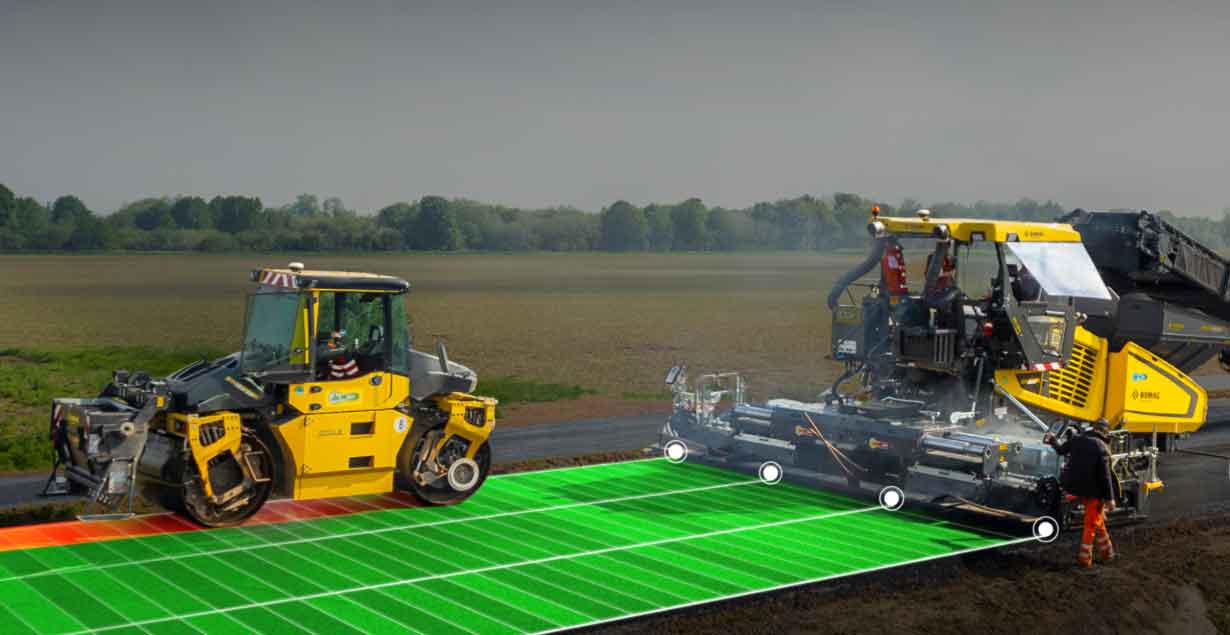
Asphalt Road Compaction Equipment: Types, Functions, and How They Work
Why Is Compaction the Key to Durable Asphalt Roads?
Asphalt road compaction equipment plays an important role in road construction. It is used to compact asphalt mixtures to create a smooth, strong road surface capable of withstanding vehicle loads.
Compaction is also a critical stage in road construction because it affects the density, strength, and durability of the pavement layer. This process helps reduce air voids within the asphalt mixture, allowing the pavement to achieve the required density in accordance with project specifications. Conversely, inadequate compaction can increase the risk of deformation and premature pavement deterioration.
To achieve optimal compaction results, equipment selection must be tailored to the type of material and the specific construction stage. So, what are the common types of asphalt road compaction equipment, and how can you choose the right one for your project requirements?
What Is Asphalt Road Compaction Equipment?
Asphalt road compaction equipment refers to machines or heavy equipment used to compact materials during road construction. Its purpose is to increase material density, create a smooth surface, and support road layer stability so that it can withstand loads according to its intended use.
During operation, compaction equipment moves over the material surface, applying pressure through the machine’s weight and wheels, vibration, or a combination of both. These forces help reduce air voids and bring the material closer together until the required density is achieved.
What Are the Types of Asphalt Road Compaction Equipment?
Each type of equipment serves a different purpose. The following are some types commonly used throughout road construction.
1. Tandem Vibratory Roller: Compacting Asphalt Layers Evenly
A tandem vibratory roller has two steel drums used to compact materials through pressure and vibration. This equipment is widely used for asphalt paving on roads, toll roads, parking areas, and airport runways.
Drum vibration helps increase the density of the asphalt mixture. Models with a suitable working width can also improve productivity in large work areas.
2. Combination Roller: Combining Steel Drum and Rubber Tire Compaction
A combination roller combines a steel drum at the front with rubber tires at the rear. The drum supports the compaction process, while the rubber tires apply pressure and help seal the pores on the asphalt surface.
This combination makes the equipment suitable for jobs that require both compaction and surface finishing.
3. Pneumatic Tyred Roller: Helping Seal Asphalt Surface Pores
A pneumatic tyred roller (PTR) uses several air-filled rubber tires to apply pressure to the material surface. The pressure and kneading effect of the tires help compact the asphalt mixture and create a sealing effect on the surface.
This equipment can also be used to compact base layers and certain types of soil materials, depending on project requirements.
4. Single Drum Roller: Compacting the Subgrade
A single drum roller has one steel drum and rubber tires at the rear. This equipment is generally used to compact the subgrade or granular materials before asphalt paving begins.
Its characteristics support work on unpaved surfaces, making it suitable for preparing the road foundation.
Other Supporting Equipment for Preparing Materials and Work Areas
In addition to rollers, several other types of equipment support road construction activities, including:
● Stabilizers and recyclers: Stabilize soil or reprocess existing road layers by mixing materials with binding agents.
● Asphalt finisher: Spreads asphalt mixtures to the specified width and thickness before further compaction using rollers.
● Light equipment: Such as plate compactors and tampers, is used in confined areas, sidewalks, excavations, or small-scale projects.
● Cold milling: Removes old asphalt layers before repairs or resurfacing. This equipment supports surface preparation rather than direct compaction.
How Do You Choose the Right Asphalt Road Compaction Equipment?
The selection of asphalt road compaction equipment must be tailored to the project’s requirements and conditions. Several factors to consider include:
1. Material type and surface conditions. Asphalt mixtures, subgrades, and base layers require compaction equipment suited to their material characteristics.
2. Project scale and characteristics. The area size, work volume, productivity targets, and site accessibility affect the required equipment capacity and size.
3. Compaction work stages. Different equipment is used for compacting the subgrade, base layers, and asphalt mixtures. Equipment selection must also consider the target density specifications.
Based on these factors, several types of compaction equipment are commonly used in road construction. Each type has different characteristics and functions depending on the material and compaction requirements.
| Equipment Type | Characteristics/Function | Suitable Applications |
| Tandem Vibratory Roller | Two steel drums that use pressure and vibration to compact materials | Compacting asphalt layers on roads and large areas |
| Combination Roller | Combines a steel drum and rubber tires | Compacting asphalt while helping finish the surface |
| Pneumatic Tyred Roller | Uses the pressure of multiple rubber tires to compact materials | Compacting asphalt mixtures and helping seal surface pores |
| Single Drum Roller | One steel drum for compacting soil and granular materials | Compacting the subgrade and road foundation layers |
How Does Asphalt Road Compaction Equipment Work?
The operating principle of asphalt road compaction equipment depends on each unit’s mechanism. A tandem vibratory roller uses two steel drums equipped with vibration to help compact asphalt mixtures. Meanwhile, a combination roller combines a steel drum and rubber tires in one unit to support compaction and surface finishing.
Unlike these two units, a pneumatic tyred roller relies on rubber tire pressure to compact materials and help close gaps on the surface. A single drum roller, on the other hand, uses one steel drum and is generally used to compact the subgrade and granular materials before the pavement layers are constructed.
Regardless of the mechanism used, compaction results are also affected by the number of passes, operating speed, material conditions, and vibration settings. These factors must be adjusted according to the job specifications and technical recommendations to achieve the target density.
What Role Does Compaction Equipment Play at Each Stage of Road Construction?
Compaction is carried out in stages to ensure that each layer meets the required conditions before the next stage begins.
1. Subgrade compaction: A single drum roller helps compact the soil to create a more stable road foundation.
2. Preparation and paving: A stabilizer or recycler can be used as needed to prepare materials, while an asphalt finisher spreads the asphalt mixture.
3. Asphalt layer compaction: A tandem vibratory roller applies pressure and vibration to achieve the specified density.
4. Surface finishing: A pneumatic tyred roller or combination roller can be used according to the work method to help compact the surface and seal asphalt pores.
The sequence and combination of equipment may vary depending on the pavement design, mixture type, and project specifications.
BOMAG Asphalt Road Compaction Equipment Options from United Tractors
United Tractors offers a range of BOMAG road construction equipment to support various compaction requirements. Equipment selection should be based on project characteristics and operational needs, rather than solely on machine size or engine power.
Some relevant products include:
1. BOMAG BW 161 AD-4
This tandem vibratory roller has an operating weight of approximately 10 tons and a working width of 1.680 meters. These specifications make the BW 161 AD-4 suitable for large-scale paving applications, such as highways and airport runways.
2. BOMAG BW 100 AC-5
The BW 100 AC-5 is a combination roller with an operating weight of approximately 2.3 tons and a working width of 1 meter. Its combination of a steel drum and rubber tires enables the unit to support asphalt layer compaction while helping seal surface voids and achieve a smoother finish.
3. BOMAG BW 24 RH
The BW 24 RH is a pneumatic-tired roller model with a maximum operating weight of 24 tons and a working width of approximately 2.098 meters. This equipment supports compaction through tire pressure and the kneading effect of rubber tires, while also contributing to the final surface finish.
FAQ: Questions About Asphalt Road Compaction Equipment
1. What is the function of asphalt road compaction equipment?
This equipment is used to increase material density, reduce air voids in asphalt mixtures, and support the strength and durability of road layers.
2. What are the types of asphalt road compaction equipment?
Common types include tandem vibratory rollers, combination rollers, pneumatic tyred rollers, and single drum rollers. Supporting equipment such as stabilizers, recyclers, asphalt finishers, and light equipment can also be used throughout road construction.
3. What is the difference between a tandem roller and a pneumatic tyred roller?
A tandem roller uses steel drums, which generate vibration in vibratory models to help with compaction. A pneumatic tyred roller uses air-filled rubber tires to apply pressure and create a kneading effect on the material surface.
4. How do you choose suitable compaction equipment for a road construction project?
Choose equipment based on the material type, surface conditions, project scale, work stage, and technical specifications. Consult an equipment provider to help determine the right option for your project.
Choose Compaction Equipment That Meets Your Project Needs
Choosing the right asphalt road compaction equipment helps support compaction quality and construction efficiency. By understanding the functions, operating principles, and characteristics of each type of equipment, you can determine the combination that best suits your project requirements.
For more information about BOMAG road construction equipment and United Tractors support, contact UT Call 1500 072.