ROPS vs. FOPS: Understanding the Differences in Heavy Equipment
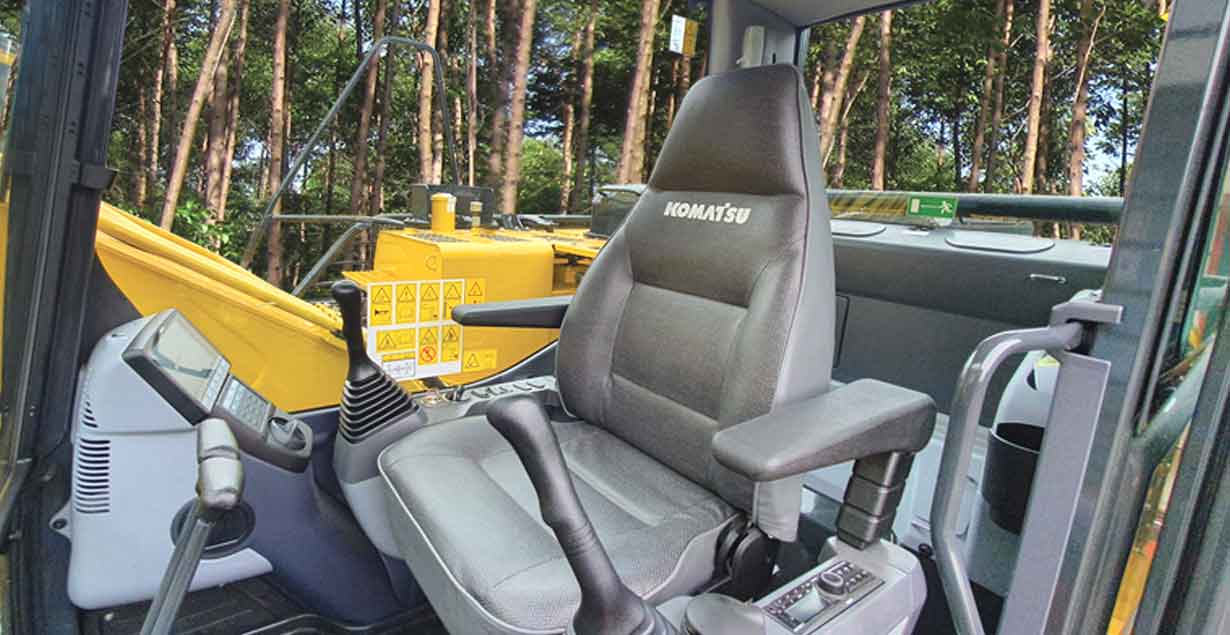
Working in Tough Terrain: How Safe Is the Heavy Equipment Cab?
Heavy equipment operating in construction, mining, and forestry areas faces various safety risks, ranging from units overturning due to unstable terrain to falling materials that can endanger operators.
To support workplace safety, operator protection inside the heavy equipment cab is an important aspect to consider. Two commonly used protective structures are ROPS (Roll-Over Protective Structure), which provides protection when a unit overturns, and FOPS (Falling-Object Protective Structure), which provides protection against falling objects.
So, what are the differences between ROPS and FOPS, how do they work, and when is each one needed? Understanding these differences can help identify the type of cab protection that suits the risks and operating conditions of heavy equipment.
What Are ROPS and FOPS in Heavy Equipment?
1. ROPS (Roll-Over Protective Structure)
ROPS is a protective structure designed to reduce the risk of operators being trapped or crushed when heavy equipment overturns. This structure helps maintain a protective space for the operator during a rollover incident.
ROPS can take the form of a protective frame installed on the cab or integrated into the cab structure, depending on the unit’s design. This protection is designed based on specific performance requirements and testing, rather than simply relying on the apparent strength of the frame.
For the protection to work as designed, operators must wear seat belts and follow the operating procedures established by the manufacturer.
2. FOPS (Falling-Object Protective Structure)
FOPS is a structure designed to provide protection against falling objects or materials that could strike the operator’s area. This structure is generally positioned on top of the cab to help reduce the risks associated with impacts from above.
FOPS is relevant for work involving the potential fall of rocks, pieces of wood, or construction materials. Its design and level of protection must match the risks associated with the job and the unit’s specifications.
Therefore, ROPS focuses on the risk of heavy equipment overturning, while FOPS focuses on the risk of falling objects striking the operator’s area.
ROPS vs. FOPS: What Are the Main Differences?
Although both serve as safety structures, ROPS and FOPS have different protective purposes. The following table compares them.
| Aspect | ROPS | FOPS |
| Full name | Roll-Over Protective Structure | Falling-Object Protective Structure |
| Main function | Reduces the risk of operators being trapped when heavy equipment overturns | Protects operators from falling objects |
| Protection focus | The risk of rollover or overturning | The risk of impacts from objects falling from above |
| Protected area | Protective structure surrounding the operator’s space | Protective structure above the operator’s space |
| Working conditions | Sloping, uneven, or unstable terrain that poses a risk of the unit overturning | Areas where rocks, wood, or other materials may fall |
Why Are ROPS and FOPS Important for Operator Safety?
Protective structures are one component of a heavy equipment safety system. Their presence helps reduce the risk of injuries caused by certain working conditions, particularly when incidents occur that correspond to their intended protective functions.
There are three reasons why this aspect deserves attention.
1. Helping Reduce the Risk of Injury
ROPS is designed to reduce the likelihood of operators being trapped during a rollover, while FOPS helps protect operators from falling objects that fall within the limits of its designed protection.
2. Providing Additional Protection for the Cab
Protective structures help safeguard the operator’s space against specific hazards during an incident.
3. Supporting the Selection of Suitable Heavy Equipment
Considering safety structures from the outset helps companies match their equipment to terrain characteristics, job requirements, and operational safety procedures.
However, the effectiveness of this protection still depends on an appropriate design, the condition of the structure, proper installation, and maintenance. Damaged structures or those modified without the manufacturer’s approval may have reduced protective capabilities.
Which Types of Heavy Equipment Use ROPS and FOPS?
ROPS and FOPS can be applied to various types of heavy equipment, depending on the unit’s design, function, and safety requirements. Examples include:
- Excavators: Used for excavation and material handling. Protection requirements are determined by the unit’s design and the risks at the worksite.
- Bulldozers: Operate in grading and earthmoving applications, including challenging terrain. Rollover risks and environmental conditions must be taken into account.
- Compactors: Used to compact soil or other materials. Surface characteristics and operating conditions are important safety considerations.
- Wheel Loaders: Used to load and move materials. Terrain conditions, unit movement, and the potential for falling objects must be evaluated.
- Other Heavy Equipment: This includes graders and certain units used in mining or forestry operations, depending on design requirements and applications.
The application of protective structures is not necessarily the same for every type of heavy equipment. Therefore, check the model specifications and manufacturer’s documentation to confirm which features are available on the unit to be used.
Choosing Heavy Equipment Involves More Than Performance
Capacity, productivity, and efficiency are important considerations when selecting heavy equipment. However, operator safety must also be part of the evaluation before a unit is put into operation.
The following aspects can serve as a guide.
| Consideration | What to Check |
| Operator protection | Ensure that ROPS or FOPS is available as required and specified for the unit. |
| Terrain conditions | Match the type of heavy equipment protection to the risks in the operating area, such as the possibility of the unit overturning or being struck by falling objects. |
| Type of work | Identify whether the main risks arise from rollover, falling objects, or both. |
| Safety standards | Check whether the structures comply with the applicable testing standards and requirements for the unit and its application. |
ROPS or FOPS: Which Is More Important?
There is no single answer that applies to every job. ROPS and FOPS serve different functions, so the choice must be based on the results of a risk assessment.
ROPS is necessary when the primary risk involves heavy equipment overturning. In contrast, FOPS is needed when there is a potential for falling objects to strike the operator.
For jobs involving both risks, heavy equipment may require ROPS and FOPS together. Examples include work on uneven terrain near cliffs or in locations where materials may fall.
Frequently Asked Questions About ROPS and FOPS in Heavy Equipment
1. What is ROPS in heavy equipment?
ROPS is a protective structure designed to reduce the risk of operators being trapped or crushed when heavy equipment overturns.
2. What is FOPS in heavy equipment?
FOPS is a protective structure designed to reduce the risk of operator injuries caused by falling objects or materials that strike the operator’s area.
3. What is the difference between ROPS and FOPS?
ROPS focuses on protection when heavy equipment overturns, while FOPS focuses on protection against objects falling from above.
4. Do all heavy equipment units have ROPS and FOPS?
Not always. The availability and configuration of protective structures depend on the type of unit, its design, application, and relevant safety requirements. Check the manufacturer’s specifications to confirm which features are available.
5. When does heavy equipment need ROPS or FOPS protection?
ROPS is considered for jobs involving rollover risks, while FOPS is considered when there is a potential for falling objects. If both risks are present, combined protection may be necessary based on the risk assessment and unit specifications.
Make Operator Safety a Priority
ROPS and FOPS play important roles in helping protect heavy equipment operators from two different types of hazards. ROPS focuses on rollover risks, while FOPS protects against potential falling objects. Both should be considered alongside other safety factors when determining which unit is suitable for operational needs.
In addition to considering performance and productivity, ensure that the selected heavy equipment has protective specifications that match the characteristics of the job.
Need more information about products and heavy equipment requirements for your operations? Contact UT Call at 1500 072 for product consultation.