Bus Chassis Definition and Its Key Role in Scania K360CB
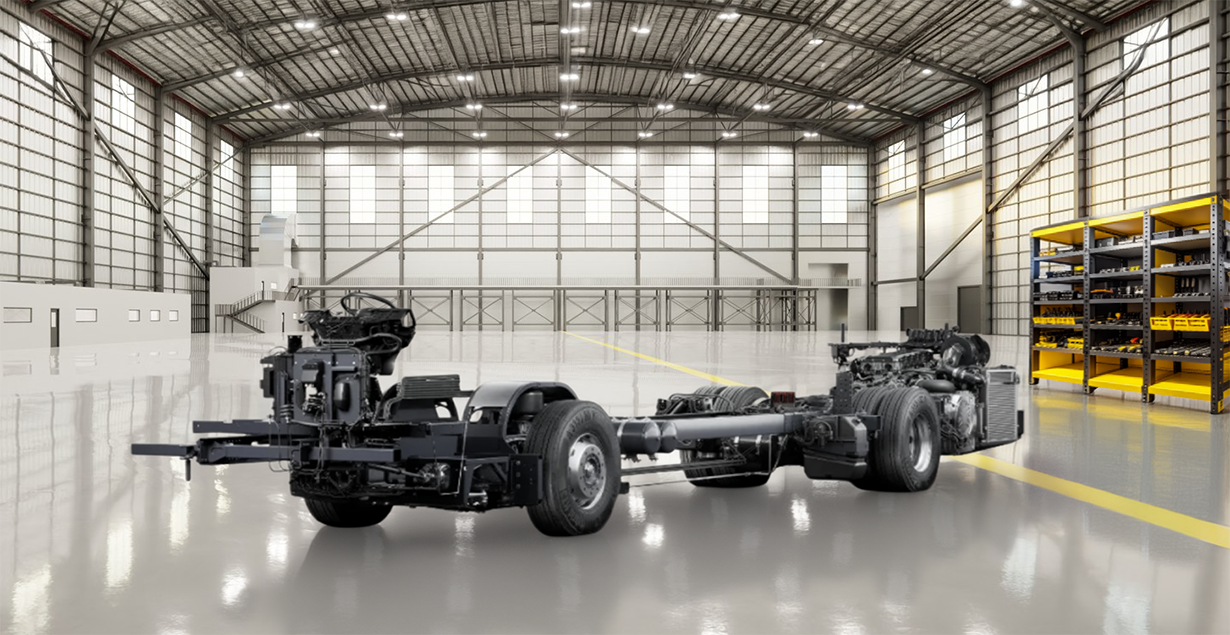 In modern transportation systems, buses play a vital role as an efficient and flexible mass transit mode, serving urban routes and intercity and interprovincial travel. However, before a bus appears with an elegant body and comfortable interior, there is a fundamental structure that serves as its foundation: the bus chassis.
A bus chassis is often referred to as the “backbone” of the vehicle. It serves as the primary platform for installing all essential systems, ranging from the engine, transmission, and suspension to steering and braking. Without a strong and precise chassis, bus performance and safety would not be optimal..
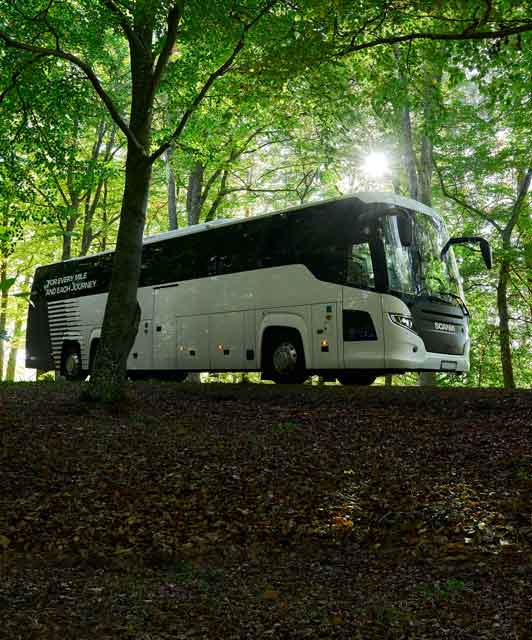
One example of a bus chassis designed for long-distance and tourism applications is the Scania K360CB-4X2. This unit is known for its robust performance, high-powered engine, and modern technology support for efficiency and comfort.
What Is a Bus Chassis and Why Is Its Role So Crucial?
Technically, a bus chassis is the base frame of a vehicle that serves as the main structural support for all mechanical components and the body. The chassis is delivered as a complete platform with a powertrain system but without a passenger body. Later, a coachbuilder will build the body on top of the chassis to meet the operator’s needs.
Main Functions of a Bus Chassis
The primary functions of a bus chassis include:
- Supporting the entire vehicle load, including the body and passengers.
- Serving as the mounting platform for the engine, transmission, suspension, and steering systems.
- Ensuring stability and even load distribution.
- Determining the vehicle’s performance characteristics and operational efficiency.
Differences Between a Bus Chassis and Other Vehicle Frames
Compared to a typical truck frame, a bus chassis is designed with a stronger focus on comfort and long-distance stability. The suspension system is generally smoother, the weight distribution is more balanced, and the engine and transmission configuration are optimized for consistent travel with passenger loads.
Understanding the Main Components of a Bus Chassis in More Detail
To fully understand the role of a bus chassis, here are its key components:
1. Frame / Main Structure
A high-strength steel structure that serves as the foundation for all vehicle systems. The frame must withstand static and dynamic loads, including vibrations and pressure, while traveling over various road conditions.
2. Powertrain
The powertrain includes the engine and transmission. In the Scania K360CB-4X2, the engine produces up to 360 HP and is designed for long-distance travel, delivering stable, responsive performance.
3. Suspension System
The suspension determines comfort and stability levels. The air suspension on each axle provides optimal vibration damping, ensuring a smoother journey.
4. Steering and Braking Systems
These components ensure precise vehicle control. Modern braking systems enhance safety, especially during long-distance travel with a full load.
5. Driveline & Axle
The driveline transfers power from the engine to the drive wheels. The 4×2 axle configuration enables efficient power distribution and optimal fuel consumption for long-distance routes.
How Does a Bus Chassis Support Daily Operations?
The role of a bus chassis is highly significant in operational applications:
1. Durability and Reliability
A chassis designed for heavy-duty operations can withstand intensive use, including intercity travel covering hundreds of kilometers per day.
2. Safety for Body and Passengers
A strong structure provides a safe foundation for the bus body and other safety systems. Frame stability helps maintain vehicle balance.
3. Fuel Efficiency
A well-designed powertrain and proper load distribution affect fuel efficiency. A precise chassis design helps the engine operate within its optimal range.
4. Body Configuration Flexibility
A bus chassis allows the installation of various body types, such as tourism, intercity, or executive buses, with different cabin configurations.
Case Study: Performance and Technology in the Scania K360CB-4X2
As a chassis bus for long-distance applications, the Scania K360CB-4X2 offers a combination of performance, efficiency, and modern technology.
1. Engine and Transmission
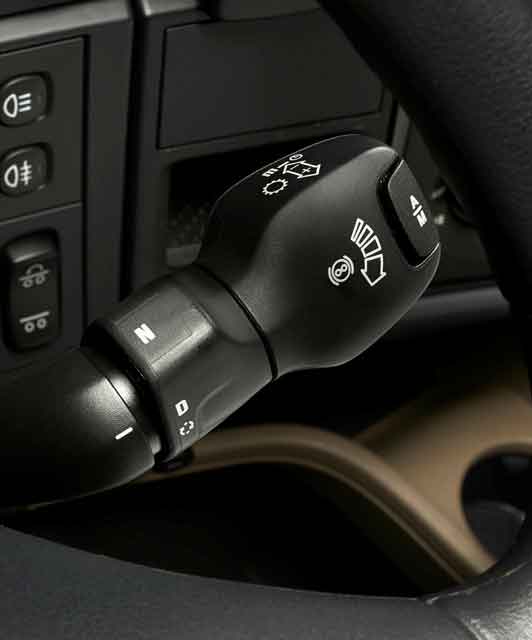
Powered by a 360 HP engine, this unit features the Opticruise transmission, enabling smoother, more precise gear shifting. This system helps reduce driver fatigue while improving fuel efficiency..
2. Fuel Consumption and Emissions
This chassis is compatible with B30 biodiesel, supporting Indonesia’s renewable energy policies. Its good fuel efficiency helps operators reduce operational costs.
3. Suspension and Comfort
Air suspension on each axle provides maximum passenger comfort, especially on uneven roads or over long distances.
4. Safety Features
Features such as EBS, ABS, hill-hold, and retarder brake help maintain stability and vehicle control under various road conditions.
5. Fleet Monitoring
Support for Fleet Management Services (FMS) enables real-time monitoring of vehicle performance and operational efficiency.
Bus Chassis vs. Integral Bus: Which Is More Flexible?
In the transportation industry, there are two main approaches:
| Aspect | Bus Chassis | Integral Bus (Monocoque) |
| Structure | Frame separate from body | Frame integrated with body |
| Flexibility | High, can choose coachbuilder | Limited to manufacturer design |
| Maintenance | Easier due to modular design | More complex |
| Customization | More flexible | More limited |
A bus chassis excels in flexibility and ease of maintenance, making it a popular choice for commercial operators in Indonesia.
Key Factors in Choosing the Right Bus Chassis
Selecting a bus chassis requires careful consideration. The following factors should be evaluated:
- Operational needs – Whether for long-distance, tourism, or urban routes.
- Engine capacity and torque – Adjust according to terrain and operational load.
- Body compatibility – Ensure suitability with the desired coachbuilder design.
- After-sales support – Availability of service and spare parts in Indonesia is essential for operational sustainability.
Frequently Asked Questions About Bus Chassis
1. What is the difference between a bus chassis and a complete bus?
A bus chassis is the base frame, complete with engine and drivetrain systems but without a passenger body. A complete bus includes the body and interior.
2. How does a chassis affect travel comfort?
The suspension system, weight distribution, and frame stability significantly determine vibration levels and travel comfort.
3. Why is a chassis important for commercial transport fleets?
Because the chassis determines durability, fuel efficiency, maintenance costs, and long-term operational safety.
Understanding Bus Chassis for Better Operational Decisions
Understanding what a bus chassis is and its function is essential for operators and fleet managers. A chassis is not merely a frame; it is the primary foundation that determines long-term performance, efficiency, comfort, and safety.
For example, the Scania K360CB-4Xs2 offers a combination of 360 HP, a modern transmission, fuel efficiency, comprehensive safety features, and fleet management support, making it the right choice for long-distance and tourism transport applications.
For more information and product consultation, contact UT Call at 1500 072 (24/7) and find the bus chassis solution that fits your operational needs.